



Felix Ifeanyi Nwosu: A Shark in a Local Pond — Why ‘Abacha’ Deserves a Bigger Stage
With international coaching experience, a CAF B Licence and a growing record of youth development, Felix Ifeanyi Nwosu, popularly known as Abacha, has built a compelling case for a bigger opportunity in Nigerian professional football.
Nigerian football must look beyond familiar names when identifying coaches capable of building competitive teams, developing talent and delivering sustainable results. One coach whose work deserves closer attention is Felix Ifeanyi Nwosu, widely known as Abacha.
From coaching assignments across Africa to his youth development role at Rangers International, Abacha has invested years in sharpening his technical knowledge, gaining practical experience and preparing young footballers for the demands of the professional game.
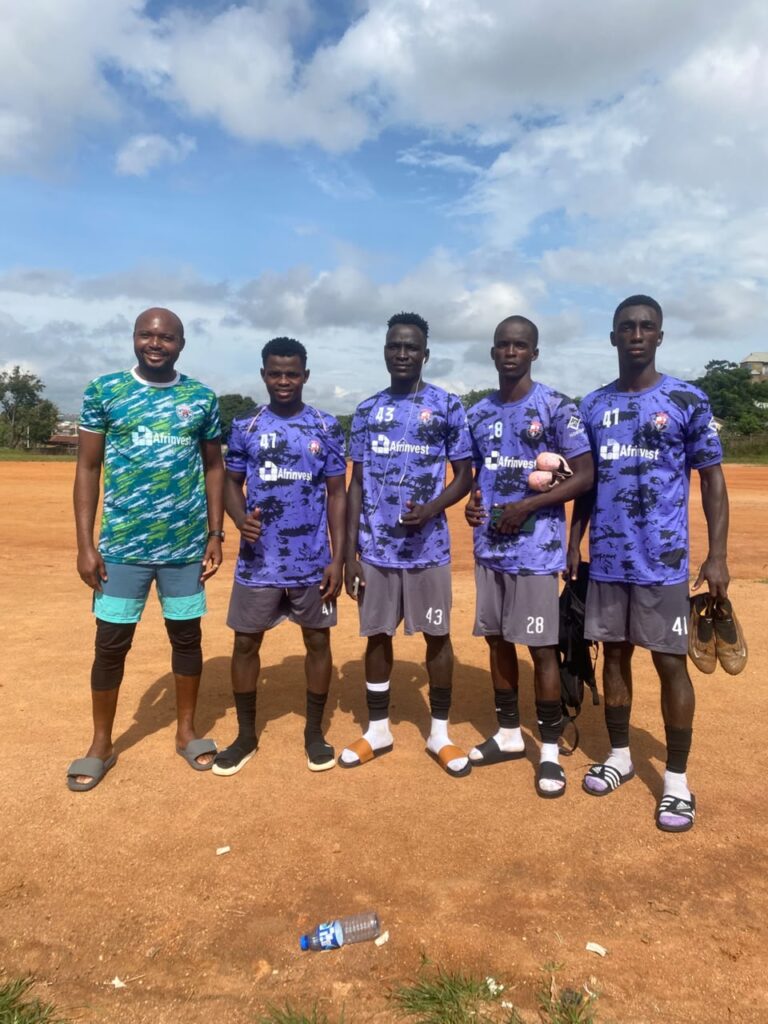
He has worked in different football environments, pursued coaching qualifications and helped emerging players progress towards senior football. His record presents a strong argument for ambitious Nigeria Premier Football League (NPFL) clubs and promotion-chasing Nigeria National League (NNL) sides to consider him for greater responsibility.
Abacha’s ambitions extend beyond securing his next appointment. He wants to win the NPFL and eventually coach the Super Eagles, Nigeria’s senior men’s national team.
Those are demanding targets, but ambition must have a starting point. For Abacha, the next step is an opportunity to demonstrate his methods, leadership and tactical ideas at a higher level of senior football.
He has done the groundwork. Now, he needs the platform to prove that his experience in player development can translate into success in the professional game.
A Coaching Career Built Across Borders
Abacha’s coaching experience stretches beyond Nigeria’s academy system. His résumé includes FC Talanta of Kenya, Heegan FC of Somalia, Dream Stars Ladies of Lagos, Right2Win of Umuahia, Delta Force and the youth teams of Rangers International.

These appointments have exposed him to different playing cultures, competitive environments and developmental challenges. They have also demanded adaptability, sound player management and the ability to work with footballers of varying abilities and experience.
His work at Rangers has become a particularly important part of his coaching profile.
In September 2024, Rangers appointed Abacha to lead the club’s Under-19 team, tasking him with identifying, developing and preparing promising young players for the senior squad.
The responsibility required more than technical instruction. He had to build competitive teams, improve individual performances, instil discipline and prepare young footballers for the physical, tactical and psychological demands of senior football.
Abacha embraced the challenge and established a strong competitive record.
An April 2025 report credited his Rangers U-19 side with 27 victories, two draws and three defeats in 32 matches. The figures offered an early indication of the team’s competitiveness under his guidance.
However, the more significant measure of his work lies in the progression of players beyond youth football.
More than six players have reportedly progressed from the Rangers youth setup to the senior team, while others have moved into the NNL and joined established clubs within and outside Nigeria.
That progression strengthens the case for Abacha as a developer of talent. Academy football should not be judged solely by trophies or match results; its ultimate value lies in preparing players to compete at higher levels.

By contributing to that pathway at Rangers, Abacha has demonstrated the importance of connecting youth development with senior-team football.
Qualifications Backed by Practical Experience
Abacha has also invested in his coaching education, acquiring the CAF B Licence alongside certifications from KNVB Netherlands, TikiTaka Sweden, the Kenya Institute of Sports Education and FCAAN.
These qualifications reflect a commitment to professional development and exposure to different coaching approaches.
No certificate guarantees success in the demanding environment of Nigerian professional football. Tactical judgement, man-management, adaptability and the ability to produce results remain essential.
However, qualifications become more valuable when a coach can combine them with practical experience and evidence of player development.
Abacha brings experience across men’s and women’s football, youth teams and clubs operating in different environments. That breadth of exposure gives him a foundation on which to build his next career phase.
The question is no longer whether he has invested in his development. It is whether an ambitious club will give him the opportunity to apply that preparation to a more demanding senior-team assignment.
Why NPFL Clubs Should Take Notice
NPFL clubs operate in a results-driven environment where coaches must deliver points while managing squad development, identifying emerging talent and maintaining competitive consistency.
That balance makes Abacha a candidate worth considering, particularly for clubs seeking to strengthen the connection between their youth structures and senior teams.
His background could prove valuable to an NPFL side looking to build a sustainable talent pathway, improve young players and create a stronger foundation for future seasons.
He could also bring a development-oriented perspective to squad building, helping clubs identify promising footballers and prepare them for greater responsibilities.
For ambitious NNL clubs, the opportunity could be equally compelling.
Promotion contenders need coaches who can organise their squads, establish a clear playing identity, improve individual performances and build the consistency required to challenge for a place in the top flight.
Abacha’s experience deserves serious evaluation against those demands.
He should not be overlooked simply because much of his work has taken place in youth development rather than under the glare of senior professional football.
At the same time, a bigger appointment must come with accountability. Clubs should examine his tactical approach, leadership, adaptability and ability to manage the pressure of senior competition.
His youth-development record provides a credible basis for that assessment, not an automatic guarantee of success.
The argument is straightforward: ambitious clubs should put Abacha on their radar and give him a fair opportunity to demonstrate that his coaching philosophy can deliver results beyond academy football.
Whether through a senior coaching appointment, an assistant coaching role with greater responsibility or a technical position within a progressive club, the next opportunity should allow him to prove the full value of his experience.
The NPFL Title and Super Eagles Ambition
Abacha’s long-term objectives are clear: win the NPFL and eventually take charge of the Super Eagles.
Both ambitions demand exceptional preparation, sustained results, strong leadership and the ability to manage footballers at the highest level.
He understands that reaching those heights will require progression through the coaching ranks, with success in senior club football providing a crucial foundation.
Winning the NPFL is a formidable task. Coaching the Super Eagles represents an even greater responsibility, requiring a record of achievement, tactical sophistication and the ability to lead players representing Nigeria on the international stage.
There is no shortcut to either destination.
For Abacha, the immediate priority is to secure an opportunity that allows him to establish himself more firmly in senior professional football. A successful appointment with an ambitious NNL club could provide a route towards promotion and greater recognition. An opportunity with an NPFL side could expose him to the league’s tactical demands, elite domestic players and sustained pressure for results.
What matters is the opportunity to compete, learn, build a record and demonstrate his capacity to handle greater responsibilities.
His ambition is bold, but ambition alone does not earn appointments. Results, performance and the ability to improve a team must ultimately determine how far he progresses.
Abacha has identified the destination. The challenge now is to turn years of preparation into measurable achievements that move him closer to those goals.
Nigerian Football Must Create Room for Homegrown Coaches
The growth of Nigerian football depends not only on the quality of its players but also on the coaches responsible for developing them, improving their understanding of the game and preparing them for higher levels of competition.
Clubs must continue to demand results, but they should also broaden their recruitment outlook. Emerging coaches with relevant experience, recognised qualifications and a demonstrable commitment to development deserve serious consideration alongside established names.
Abacha’s career presents a case worth examining.
He has worked in Nigeria and abroad, pursued professional coaching education and contributed to a youth-development structure that has supplied players to senior football. He has spent years doing the demanding work of preparing young players for opportunities that may eventually take them beyond the academies where their journeys began.
That contribution deserves recognition, but recognition alone will not advance his career.
The next stage requires opportunity, responsibility and accountability. It requires a club prepared to assess his methods, set clear performance targets and judge him on the football he produces.
For NPFL clubs seeking fresh technical ideas, NNL sides targeting promotion and football projects committed to sustainable player development, Abacha deserves a place in the conversation.
Nigerian football cannot demand the emergence of better coaches while denying promising candidates opportunities to demonstrate their abilities at higher levels.
The Verdict: Give Abacha a Bigger Stage
Felix Ifeanyi Nwosu, known as Abacha, has invested in his profession, accumulated coaching experience and demonstrated a commitment to developing young footballers. His career spans different football environments, his qualifications reflect continued learning, and his work at Rangers has contributed to the progression of emerging talent.
He is ready to pursue the next stage of his coaching journey, and deservedly so.
The responsibility now rests with clubs to look beyond reputation, assess his record and determine where his abilities can best serve their ambitions.
He does not need a club to hand him success. He needs one willing to entrust him with responsibility and give him the opportunity to earn it.
An ambitious NNL club could offer a platform to build a promotion-chasing team. An NPFL club could consider him for a suitable coaching or technical role through which he can contribute to competitive objectives while continuing his development.
The desire is burning, the technical preparation has been pursued, and the experience has been accumulated. The next step is to translate that foundation into senior-team results that command national recognition.
A shark cannot demonstrate the full extent of its ability in a local pond. For Abacha, the time has come to seek bigger waters, compete against stronger opposition and turn years of preparation into achievements that justify greater responsibility.
Nigerian football should take a closer look at Felix Ifeanyi Nwosu. The next opportunity could be the platform he needs to show just how far his coaching ambition can take him.