
A.U. Mustapha Emerges as Top Choice to Head NFF Normalisation Committee as Nigeria Awaits FIFA
Former CAF Appeal Committee president leads the race to head proposed transitional body as FIFA considers next steps in Nigeria’s football governance reforms.
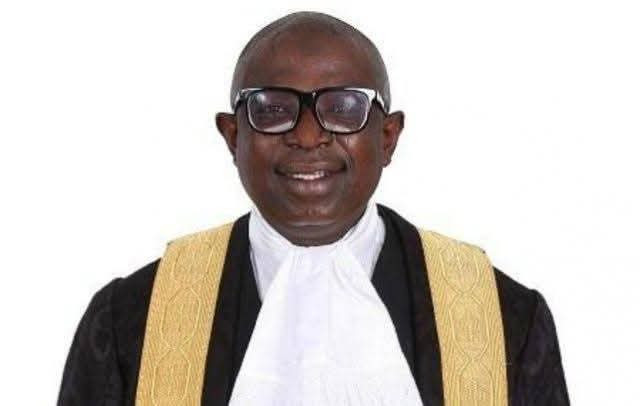
Senior Advocate of Nigeria AbdulHakeem Uthman Mustapha has emerged as the leading contender to chair the proposed Nigeria Football Federation (NFF) Normalisation Committee, as Nigerian football awaits FIFA’s decision on the country’s governance reforms.
Mustapha, a former president of the Confederation of African Football (CAF) Appeal Committee, is reportedly attracting significant support in consultations over the leadership of the proposed transitional body.
His name has gained prominence following the mass resignation of former NFF president Ibrahim Musa Gusau, General Secretary Mohammed Sanusi and members of the federation’s Executive Committee on August 27, 2026, which plunged Nigerian football administration into a leadership crisis.
Although no official appointment has been announced, Mustapha’s experience in football law and international football administration is understood to have strengthened his position in the race for the proposed chairmanship.
The final decision, however, rests with FIFA, which is expected to determine the framework for Nigeria’s transition and the composition of any normalisation committee.
FIFA decision holds the key
Attention is focused on FIFA’s next steps following consultations involving the world governing body, CAF and Nigerian football stakeholders over the leadership vacuum and the proposed reforms.
The FIFA Council meeting scheduled for October 15 in Zurich, Switzerland, is a key point of attention as stakeholders await clarity on the future administration of the NFF.
The proposed Normalisation Committee is expected to oversee a transitional process, address governance concerns and establish a pathway towards fresh elections, subject to the mandate approved by FIFA.
Its composition, leadership and terms of reference remain central to the discussions, with stakeholders keen to ensure that any intervention produces a credible and sustainable governance structure.
Mustapha’s credentials attract attention
Mustapha’s reported emergence reflects the importance attached to legal expertise and experience in football governance at a critical juncture for the NFF.
His previous leadership of the CAF Appeal Committee and involvement in FIFA’s anti-discrimination structures have given him exposure to the regulatory and administrative dimensions of the game.
If appointed, he would face the task of guiding the federation through a sensitive transition while addressing concerns over accountability, electoral credibility and stakeholder representation.
The committee would also be expected to provide a clear framework for restoring an elected administration in accordance with the requirements set by FIFA and the applicable football regulations.
Governance reform remains the priority
The proposed normalisation process has generated debate over the best way to resolve the crisis, particularly regarding the role of the NFF Congress and the balance between the federation’s autonomy and FIFA’s intervention.
Whatever structure FIFA ultimately approves, its credibility will depend on the clarity of its mandate, the transparency of its decisions and the establishment of a workable roadmap towards fresh elections.
For Nigerian football, the stakes extend beyond filling vacant leadership positions. The crisis presents an opportunity to strengthen institutional accountability and restore confidence in the administration of the game.
Mustapha’s reported emergence as the leading candidate has placed him at the centre of the unfolding process, but his appointment remains unconfirmed.
The Nigerian football community now awaits FIFA’s decision, which is expected to shape the next phase of the NFF’s governance reforms and determine the direction of the proposed transition.