

Glasgow 2026: 4 Sports Won Nigeria’s 24 Medals as 6 Left Empty Handed – The Bigger Picture Beyond the Numbers
Team Nigeria’s 24-medal haul in Glasgow tells two very different stories: a remarkable return at the top and a worrying dependence on just four sports.
Nigeria finished the 2026 Commonwealth Games with 10 gold, seven silver and seven bronze medals, emerging as Africa’s best-performing nation.
But behind the impressive numbers is a more revealing statistic: every one of Nigeria’s 24 medals came from just four sports.
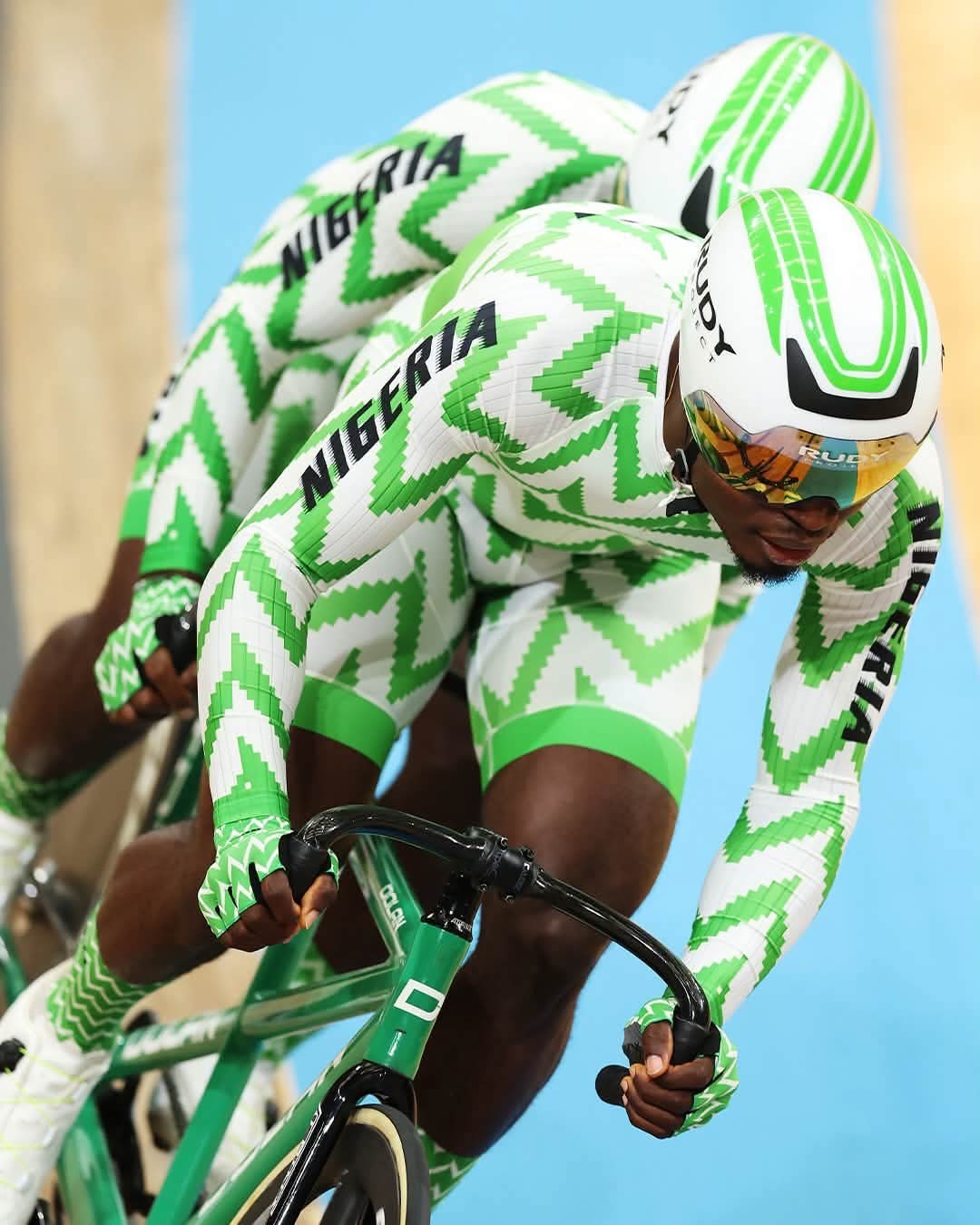
The other six disciplines Nigeria entered — 3×3 Basketball, 3×3 Wheelchair Basketball, Boxing, Swimming, Track Cycling and Para Cycling — finished the Games without a medal.
That contrast provides perhaps the clearest picture yet of the current shape of Nigerian sport.
Athletics Remains the Medal Engine
If Nigeria’s Glasgow campaign had a single driving force, it was athletics and para athletics.
The discipline produced 13 of the country’s 24 medals, accounting for more than half of the entire haul.
The four gold medals came from Samuel Ogazi, Ezekiel Nathaniel, Chukwuebuka Enekwechi and Goodness Nwachukwu.
Ogazi delivered one of the defining moments of the Games by becoming the first Nigerian man to win Commonwealth Games gold in the 400m, clocking 44.25 seconds.
Nathaniel conquered the men’s 400m hurdles, Enekwechi retained Nigeria’s presence at the top of the men’s shot put, while Nwachukwu produced a world-record performance in the women’s Para Discus.
The discipline also supplied three silver and six bronze medals, taking its overall contribution to 13.
In other words, one sporting department alone produced 54 per cent of Nigeria’s medals.
Para Powerlifting: Six Medals, Three Gold
Nigeria’s para powerlifters were equally influential.
The sport delivered six medals — three gold and three silver.
Esther Nworgu, Folashade Oluwafemiayo and Rilwan Idris claimed gold, while Roland Ezuruike, Esther Oyema and Rita Ferdinand won silver.
Oluwafemiayo added a world-record dimension to the campaign, lifting 175kg in the women’s heavyweight category.
The performance reinforced para powerlifting’s reputation as one of Nigeria’s most dependable medal-producing sports on the international stage.
Weightlifting Supplies Another Four
Weightlifting provided four more medals, including three gold.
Rafiatu Folashade Lawal, Onome Didih and Edidiong Umoafia all became Commonwealth champions, while Ruth Asuquo Nyong claimed silver.
Lawal successfully defended her Commonwealth title and produced a Games-record 229kg total, while Didih also delivered a record-breaking performance.
The figures are significant. When weightlifting’s four medals are added to the 13 from athletics and the six from para powerlifting, the three disciplines had already produced 23 of Nigeria’s 24 medals.
That means 96 per cent of Nigeria’s entire Glasgow medal haul came from just three sporting areas.
Judo Completes the Medal Picture
Judo was the only other sport to break into Nigeria’s medal column.
Enku Ekuta’s bronze gave the country its only medal outside athletics, para athletics, para powerlifting and weightlifting.
It was a valuable breakthrough, but also highlighted the extraordinary concentration of Nigeria’s overall medal performance.
Six Sports, Zero Medals
For all the celebrations around Nigeria’s 24-medal haul, six sports left Glasgow without a podium finish.
3×3 Basketball
Nigeria’s 3×3 basketball campaign failed to produce a medal, despite flashes of competitiveness.
The discipline remains an area where Nigeria has the potential to develop a stronger international presence, but Glasgow offered no return on the medal table.
The Zero Medals
3×3 Wheelchair Basketball
Nigeria’s wheelchair basketball representatives also competed without reaching the podium.
Boxing
Perhaps the most conspicuous disappointment was boxing.
Nigeria has traditionally enjoyed a strong Commonwealth boxing pedigree, making the absence of a medal particularly notable.
The Nigerian contingent was unable to translate its participation into a podium finish, leaving boxing among the sports requiring serious reflection after Glasgow.
Swimming
Swimming also failed to produce a medal.
Nigeria’s swimmers gained valuable international exposure, barring Abduljabar Adama effort, no other swimmers progressed far enough to challenge for a podium position. The country can build on the relative exposure for future competitions.
Track Cycling
Nigeria’s participation in track cycling did not result in a medal.
The sport remains relatively young in Nigeria’s elite programme and will require sustained investment, technical development and international exposure if it is to become a regular source of Commonwealth medals.
Para Cycling
Para cycling completed the list of six medal-less disciplines.
While Nigeria continues to build its presence in para sport, the Glasgow results show that the country’s para-medal strength remains concentrated overwhelmingly in powerlifting and para athletics.
The Numbers Behind Nigeria’s Success
The medal distribution tells the story more clearly than the overall tally.
Nigeria’s Glasgow performance should undoubtedly be celebrated.
Ten gold medals and 24 medals overall represent a significant achievement, particularly with Nigeria finishing as Africa’s leading nation.
But the medal distribution offers a bigger conversation for sports administrators.
Three disciplines delivered 23 of the 24 medals. That is an extraordinary level of concentration.
It shows where Nigeria already possesses world-class systems, athletes and coaching structures.
Athletics, para powerlifting and weightlifting clearly remain the country’s most productive medal factories.
But it also exposes the gap between participation and podium competitiveness in several other sports.
Boxing’s failure is particularly striking given Nigeria’s history in the Commonwealth Games.
Swimming’s continued absence from the medal table is another area that deserves attention, as per the potential embedded therein while cycling and the emerging 3×3 disciplines remain developmental projects.
The challenge after Glasgow is therefore not simply to win more medals.
It is to spread the medal-winning culture.
Nigeria has demonstrated that it can produce champions.
The next step is building enough depth across more sports to ensure that the country’s Commonwealth success does not depend almost entirely on the same three or four disciplines.
The Glasgow Verdict
24 medals. 10 gold. Seven silver. Seven bronze.
A successful campaign on the surface. But the deeper verdict is more nuanced:
Four sports delivered. Six went home empty-handed. Three produced 23 medals.
For Team Nigeria, Glasgow 2026 was therefore both a celebration of excellence and a reminder of the work still required to build a broader, more sustainable sporting powerhouse.
Written by Olusola Adebayo, A Sports Journalist in Lagos


