Two Coaches Step Down After Unexpected FIFA World Cup 2026 Group Stage Exits
The aftermath of the 2026 FIFA World Cup has already claimed two managerial casualties, with South Korea’s Hong Myung-bo and Scotland’s Steve Clarke resigning after their respective teams bowed out at the group stage.
While both departures followed disappointing exits, the circumstances surrounding each resignation reflected contrasting emotions—one amid public outrage and political scrutiny, the other with gratitude and admiration for a transformative tenure.
Hong Myung-bo Resigns as South Korea Boss
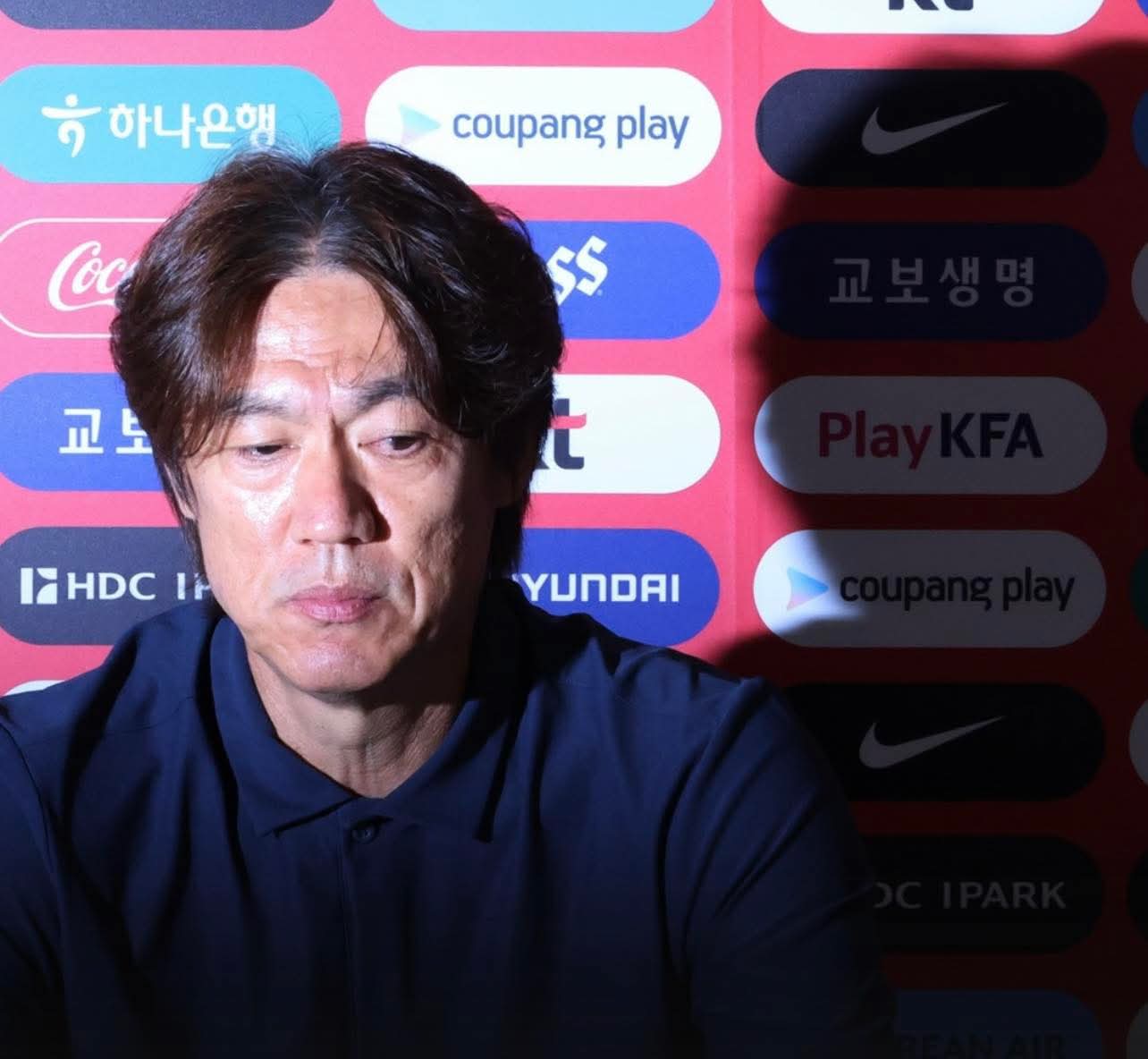
Hong Myung-bo stepped down as South Korea head coach after the Taeguk Warriors failed to qualify for the knockout rounds of the tournament.
Accepting full responsibility for the team’s performance, Hong admitted the campaign had fallen well short of expectations.
“The responsibility rests entirely with me as head coach,” he said. “We didn’t deliver the results that our fans expected.”
South Korea finished third in Group A with one victory and two defeats, placing behind Mexico and South Africa.
Although the expanded 48-team tournament offered a route to the Round of 32 for some third-placed teams, South Korea’s points and goal difference were not enough to secure progression.
Their campaign ended following a 1-0 defeat to South Africa in their final group match, triggering widespread criticism from supporters and football analysts.
Addressing reporters in western Mexico, Hong apologised to the nation’s fans and insisted he would continue supporting Korean football despite leaving the national team.
“Even though I am leaving the national team, I am not abandoning Korean football altogether,” he said. “I will cheer for the national team from the bottom of my heart and hope that the team will be trusted and loved by the people once again.”
The resignation came shortly after South Korean President Lee Jae-myung called for an investigation into the country’s World Cup failure, describing the elimination as “utter bewilderment.”
In a post on X, the president suggested the disappointing campaign exposed deeper structural problems within the country’s football administration.
Hong’s appointment in 2024 had been controversial, with critics accusing the Korea Football Association of favouring a familiar figure over experienced foreign candidates.
Despite the criticism, Hong defended his tenure.
“Accepting the job was not an easy choice. I cannot say every decision has been the right one, but I can tell you that I have made every decision with Korean football in mind.”
The Korea Football Association is now expected to begin the search for a new head coach as it seeks to rebuild following another disappointing World Cup campaign.
Steve Clarke Bids Emotional Farewell to Scotland
Scotland manager Steve Clarke also announced his resignation after the nation’s World Cup exit, ending a remarkable seven-year spell that restored belief in the national team.
The 62-year-old leaves having guided Scotland to three consecutive major tournaments—UEFA Euro 2020, Euro 2024 and the 2026 FIFA World Cup, their first appearance at football’s biggest tournament in 28 years.
In an emotional farewell letter to the Tartan Army, Clarke reflected on a journey that exceeded expectations.
“When I was first approached by the Scottish FA about the position of head coach, I was advised by many people to leave well alone as the job had become a poisoned chalice,” he wrote.
“I couldn’t find a reason to turn the approach down. My job remit was simple: qualify for a major tournament.”
Clarke described securing qualification for Euro 2020 through a dramatic penalty shootout victory over Serbia as one of the defining moments of his career.
He also praised Scotland supporters for their unwavering backing throughout his tenure.
“From Miami to Boston and New Jersey, our fans won the hearts and minds of the American public and football fans across the world,” he said.
Although Scotland failed to advance beyond the group stage at the World Cup, Clarke believes the foundations have been laid for future success.
“While emotions are raw following our elimination, I genuinely believe that if we continue to qualify regularly for these tournaments, we will inevitably break the glass ceiling of reaching the knockout phase.”
The former Kilmarnock and West Bromwich Albion manager also highlighted Scotland’s successful World Cup qualifying campaign as one of the proudest achievements of his coaching career.
“Winning our group from a position as third seeds is a truly remarkable achievement from a remarkable bunch of players that I have been lucky enough to lead,” he said.
Clarke paid tribute to his coaching staff, Scottish FA officials and, above all, his players.
“They deserve all the praise and adulation that they receive, and it was truly an honour to be called their gaffer.”
He ended his farewell message with a heartfelt sign-off:
“Thanks for having me and good luck to my successor.
“Bye-bye, Scotland!”
Clarke departs as one of the most influential managers in Scotland’s modern history, leaving behind a national team that has re-established itself as a regular presence on the international stage.