

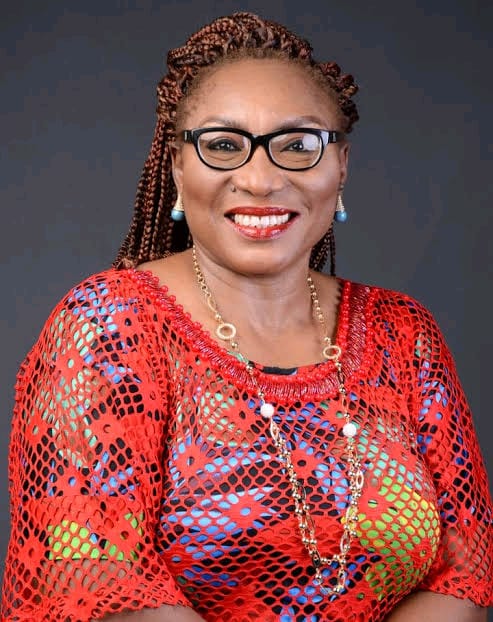
Seasoned sports administrator and marketing expert Nkechi Obi has called for a fundamental shift in Nigeria’s approach to grassroots sports development, advocating wider participation, measurable strategies and stronger commercial investment to build a sustainable sporting ecosystem.
Obi, Chief Executive Officer of Sport Nigeria LTD/GTE and founder of Premium Sports Management Services Limited, made the call while reflecting on the recently concluded National Grassroots Sports Development Summit in Abuja.
She is also credited with developing the Team Nigeria concept ahead of the 8th African Games, hosted in Abuja in 2003. Her experience spans more than four decades in sports business, alongside her previous role as Chairperson of the Board of the Nigeria Women’s Football League.
Obi argued that Nigeria must move beyond repeated discussions about grassroots development and embrace systematic approaches that allow the country to track activities, assess progress and measure results.
“We need to start doing what other countries are doing. We must begin to track our activities and measure our progress,” she said.
She identified the narrow understanding of grassroots sports participation as one of the major challenges affecting development in the country.
According to her, grassroots sports should not be restricted to identifying and nurturing young athletes for competitive careers. It should also accommodate individuals who participate in sporting activities for health, fitness, recreation and other personal benefits.
“We must also expand the definition of grassroots sports to include people like me who want to participate in sports for health, fitness and other personal reasons,” she added.
The sports administrator maintained that expanding participation would create a larger market for the sports industry, providing more opportunities for businesses involved in sporting facilities, equipment, services and related activities.
She stressed that a sustainable grassroots sports structure must combine talent identification with commercial opportunities capable of attracting investors and supporting long-term business growth.
“We need to expand the market so that those who provide sporting services and facilities can make money. When they make money, they can build sustainable businesses and brands that will ultimately support talent discovery. That is how the system works,” Obi stated.
Her position reinforces the need for Nigeria to recognise grassroots sports as both a talent development pathway and a broader participation and economic opportunity.
By expanding access, encouraging private-sector investment and introducing measurable development strategies, Nigeria could establish a stronger sporting ecosystem that benefits athletes, recreational participants, businesses and the wider economy.


