


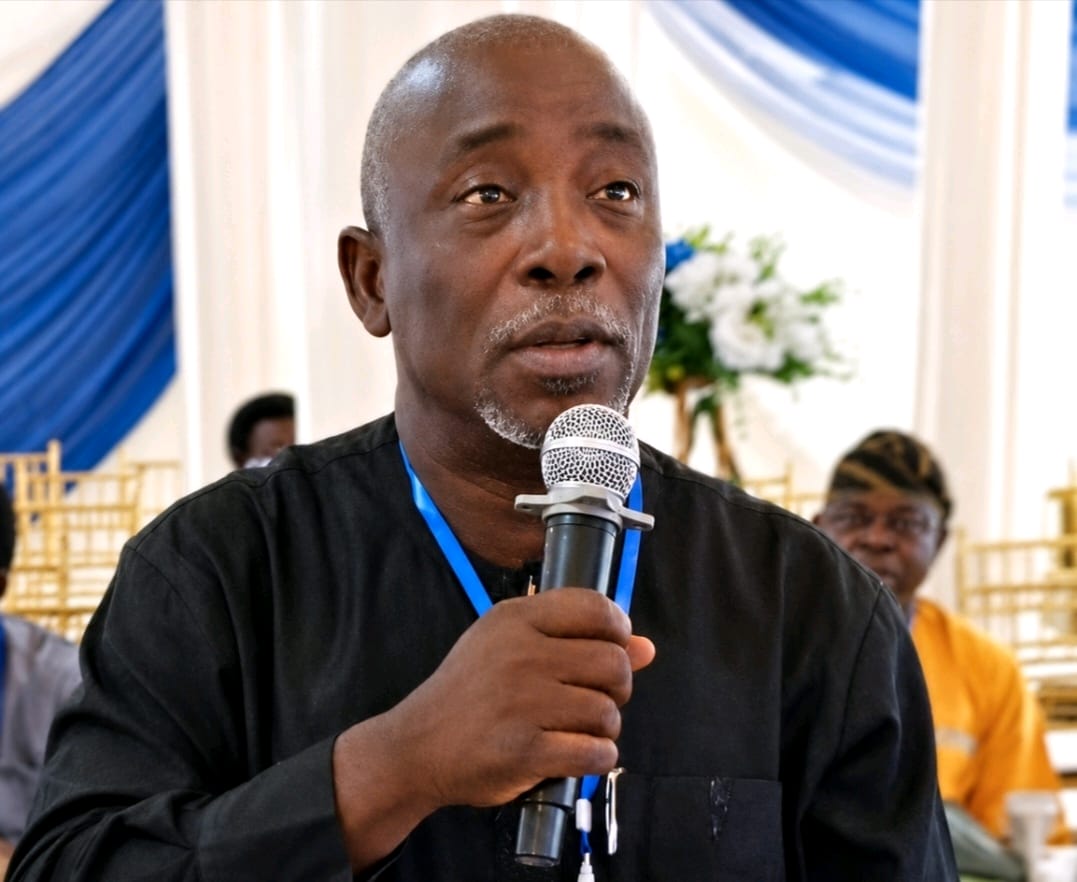
Nigeria Judo Crisis Deepens as Oshodi Rejects Caretaker Board, Faults IJF Position
The leadership crisis in the Nigeria Judo Federation (NJF) has intensified following President Musa Oshodi’s rejection of the caretaker committee arrangement, despite the International Judo Federation (IJF) acknowledging the dissolution of the federation’s board and expressing support for a new electoral process.
The latest development exposes a growing disagreement over the administration of Nigerian judo, with Oshodi insisting that his board remains legitimate and questioning the international governing body’s position on the crisis.
In a statement issued on Friday, October 9, 2026, the Oshodi-led board dismissed earlier reports of its dissolution and the establishment of a caretaker committee as fake news, maintaining that neither the IJF nor the National Sports Commission (NSC) had lawfully removed it from office.
However, a separate statement issued by the federation on Saturday, October 10, disclosed that Oshodi had expressed displeasure over an IJF letter dated October 9, which acknowledged the dissolution of the NJF board and the creation of a caretaker committee.
The letter, addressed to the NSC Director-General, Hon. Bukola Olopade, reportedly recognised the caretaker committee’s mandate to amend the federation’s constitution and convene an elective General Assembly.
The IJF also noted that members of the caretaker committee had undertaken not to contest in the forthcoming elections, a commitment intended to support a transparent, fair and inclusive electoral process.
Reacting to the international body’s position, Oshodi warned of its potential implications for sports governance worldwide.
“The letter and stand of IJF is a bad omen for the administration of the sport world wide,” he said.
The NJF president also announced plans to meet with stakeholders to review the situation and determine the federation’s next course of action, although no date or further details of the proposed meeting were provided.
Oshodi Board Challenges Legitimacy of Dissolution
In its Friday statement, the Oshodi-led board accused Mrs Ngozi Amayo and her associates of circulating information about its dissolution and the approval of a caretaker committee.
The federation alleged that Amayo had previously been dismissed by the board over alleged financial misappropriation and attempts to exercise undue control over its administration. These allegations were made by the federation and have not been independently established.
The board maintained that any attempt to dissolve an elected federation leadership and install a caretaker committee would contravene the International Olympic Committee’s Olympic Charter, the IJF Statutes and the NJF Constitution.
It also cited Section 16(2) of the NSC Establishment Act 2023, arguing that presidential approval would be required for the commission to dissolve a federation’s board.
According to the NJF, no such approval had been sought or obtained, making any purported dissolution null and void.
The latest position, however, places the federation’s claims at odds with the IJF’s October 9 correspondence acknowledging the dissolution and caretaker arrangement, further complicating efforts to resolve the dispute.
November Elections at the Centre of Dispute
The leadership crisis comes as the federation prepares for a constitutional review and fresh elections expected to take place in November.
In its earlier statement, the Oshodi-led board cited an IJF letter dated September 18, 2026, which it said approved its draft amended constitution and directed the federation to convene a General Assembly to ratify the document.
The board subsequently scheduled its General Assembly for October 12 to 14, with the main meeting fixed for Tuesday, October 13. The venue was moved from Abuja to Ibadan, Oyo State.
The proposed assembly is expected to consider the revised constitution, determine the composition of the electoral committee and establish the timetable for the forthcoming elections.
The federation said the process would pave the way for elections in November in line with the IJF’s earlier directives.
However, the emergence of the caretaker committee has raised fresh questions about who will oversee the constitutional review and electoral process, as well as the authority under which the next federation leadership will be elected.
While the IJF has expressed support for efforts to achieve a credible and inclusive election, Oshodi’s reaction indicates that the disagreement over the board’s dissolution remains unresolved.
The outcome of the planned stakeholders’ meeting could prove crucial in determining the next phase of the crisis, with Nigerian judo’s administrative stability and the credibility of its forthcoming elections now at stake.